
Being stopped at a DUI checkpoint can feel overwhelming, especially if it’s your first time or you’re unsure about your rights. In Fulton County, DUI checkpoints are a common sight, and knowing what to expect can make the experience less stressful. This blog will explain the entire process of DUI checkpoints in Georgia, from the initial stop to the steps that follow if you’re arrested. We will also provide insights into the legal process and how a skilled DUI attorney can assist you.

BadAss Attorney
Best DUI Lawyers

DUI Defense Lawyers - Board of Directors

10 Consecutive Years Selected to Super Lawyers

Best Lawyers In America

AV Prememinent

AVVO 10

AVVO Client's Choice

AVVO

Best Lawyers Best Law Firms

AVVO - Reviews

AVVO - Top Attorney
What is a DUI Checkpoint in Georgia? 
DUI checkpoints, also referred to as sobriety checkpoints, are locations set up by law enforcement where officers stop vehicles to check for drivers who might be under the influence of alcohol or drugs. These checkpoints are strategically placed in high-risk areas, often on weekends or holidays when impaired driving incidents are more likely. Officers are authorized to stop vehicles at these locations and look for signs of intoxication.
Unlike random stops, DUI checkpoints follow strict protocols to ensure they are lawful. Officers cannot arbitrarily pick and choose which vehicles to stop. They must follow a predetermined plan that is legally sound. The Georgia State Patrol and local law enforcement agencies use these checkpoints as a deterrent against drunk driving and as a safety measure to protect everyone on the road.
The Legal Basis for DUI Checkpoints
In Georgia, DUI checkpoints are legal, but they must adhere to certain rules. The United States Supreme Court has ruled that DUI checkpoints do not violate constitutional protections, but only if they are conducted in a way that minimizes intrusion on a driver’s rights. These legal standards ensure that the operation of DUI checkpoints is both effective and respectful of the rights of drivers.
For example, the officers must have a clear plan regarding how they stop cars at the checkpoint. This could include stopping every vehicle or stopping vehicles at a set interval, such as every third car. The plan must be applied uniformly to avoid discrimination or bias in the process. Law enforcement must also ensure that signs and warnings are clearly posted so that drivers know they are approaching a DUI checkpoint.
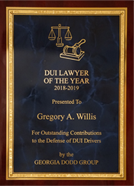
He's the only lawyer in the State of Georgia to ever be recognized for all three of these accomplishments. Received the Samurai Lawyer Award for having gone to jail for a total of 4 days in order to save his own client Received the BadAss Lawyer Award for the biggest impact of all DUI lawyers in DUI defense in the country Received the vote of Georgia Lawyers as a Superlawyer in DUI Law for 10 straight consecutive yearsGreg Willis has been successful at defending DUI cases (over 93.1% without a conviction)
The Stop at the DUI Checkpoint
When you approach a DUI checkpoint in Fulton County, you will see visible signs and police officers directing traffic. As you stop at the checkpoint, an officer will typically approach your vehicle. They will ask for basic documents such as your driver’s license, vehicle registration, and proof of insurance. This is standard procedure at any traffic stop.
The officer may also ask you a few questions, such as where you’re coming from or where you’re headed. They may ask, “Have you been drinking tonight?” or “How much have you had to drink?” While you are required to provide the officer with your identification and documents, you do not have to answer questions that might incriminate you. It’s important to stay calm, be polite, and remember that your answers can be used as evidence if the officer suspects you of driving under the influence.
Signs That Officers Look For
Officers are trained to spot signs of impairment during a DUI checkpoint stop. This includes looking for signs such as:
- Slurred speech
- Bloodshot or watery eyes
- The smell of alcohol
- Erratic driving before stopping at the checkpoint
- Difficulty in handing over documents
Even if you don’t display these signs, officers may still conduct further evaluation if they suspect impairment. If the officer has a reasonable suspicion that you are intoxicated, they can request that you step out of the vehicle for additional tests.
Field Sobriety Tests and Your Rights
At this point, the officer may ask you to perform field sobriety tests (FSTs). These tests are designed to help the officer determine whether you are under the influence of alcohol or drugs. Common FSTs include the walk-and-turn test, the one-leg stand test, and the horizontal gaze nystagmus test (where the officer checks your eye movement).
Protecting a Professional License After a DUI and Refusal of a Blood Test Result: DUI Dismissed with No Jail Time and No Loss of License Challenging Admissibility of a .19 BAC Blood Test and Field Sobriety Evaluation Result: No Jail Time, No DUI on Record, No License SuspensionFeatured Case Results
While it’s important to cooperate, you are not required to perform field sobriety tests in Georgia. Refusing the tests cannot be used as evidence of guilt, but it may influence how the officer perceives you. If you refuse to take the FSTs, the officer may arrest you if they believe you are intoxicated. However, it’s essential to remember that the officer must still have probable cause to make an arrest.
Breathalyzer or Blood Tests After Arrest
If the officer suspects you are under the influence, they may request a breath or blood test. Georgia operates under implied consent laws, meaning that by obtaining a driver’s license, you’ve agreed to submit to these tests if lawfully requested by an officer. Refusing a breathalyzer or blood test in Georgia can result in an automatic license suspension, regardless of whether you are ultimately convicted of DUI.
The officer will explain the consequences of refusal before administering the test. This includes a mandatory license suspension, which may be imposed even if you are not found guilty of DUI in court. It’s important to weigh the consequences of refusal carefully, as it could lead to more severe penalties.
What Happens After the DUI Arrest?
If you are arrested for DUI at a checkpoint, the process will continue as follows:
- Booking: You will be taken to jail for booking, which includes fingerprinting and processing.
- Bail: Depending on the circumstances, you may be eligible to post bail and leave until your court appearance.
- Court Appearance: You will have a court date where you will formally face the DUI charges.
During the booking process, you may also be required to provide additional personal information. If you’re not allowed to post bail, you may be held in custody until your court appearance.
The DUI Legal Process in Georgia
A DUI charge in Georgia can carry serious penalties, even for a first-time offense. These penalties may include:
- Fines
- License suspension
- Mandatory alcohol or drug education programs
- Jail time, especially for repeat offenders or aggravating circumstances
Georgia courts handle DUI cases seriously, and the consequences can have long-term effects on your life, including on your driving record and employment opportunities. In addition to criminal penalties, a DUI conviction can also affect your auto insurance rates, potentially increasing them significantly.
Why You Need an Experienced DUI Lawyer
If you have been arrested at a DUI checkpoint, it’s crucial to consult with an experienced DUI defense attorney. A skilled attorney can review the details of your case, assess whether the checkpoint and the stop were conducted legally, and explore any possible defense strategies.
Your lawyer will also represent you in court, negotiate with the prosecution on your behalf, and work to minimize the legal consequences you may face. DUI cases can be complex, but with an attorney who understands Georgia DUI law, you can have a better chance at a favorable outcome.
Being stopped at a DUI checkpoint in Fulton County can be a stressful experience, but knowing your rights and the legal process can help ease your concerns. Remember, you have the right to remain silent, the right to refuse field sobriety tests, and the right to speak with an attorney. If you’ve been arrested for DUI, don’t wait—contact a qualified attorney who can help protect your rights and guide you through the legal system.
If you or someone you know has been arrested for DUI in Fulton County, Georgia, reach out to Willis Law Firm for a free consultation. Our experienced DUI attorneys are here to provide you with the legal guidance and representation you need to protect your rights and navigate the DUI process with confidence.