
A first-time DUI charge in Atlanta is a serious offense, and the consequences can significantly affect your life. Understanding the penalties associated with a DUI conviction is crucial to making an informed decision about how to handle your case. Among the penalties you may face, a 30-day driver’s license suspension and the installation of an ignition interlock device are two common options. Choosing between these two can be difficult, but it’s important to understand each option’s impact on your daily life and how they could shape the outcome of your case.

2025 Atlanta's Best - Defense Law Firm

BadAss Attorney

Best Lawyers In America

10 Consecutive Years Selected to Super Lawyers

AVVO Client's Choice

Best Lawyers Best Law Firms
What Does a 30-Day License Suspension Mean 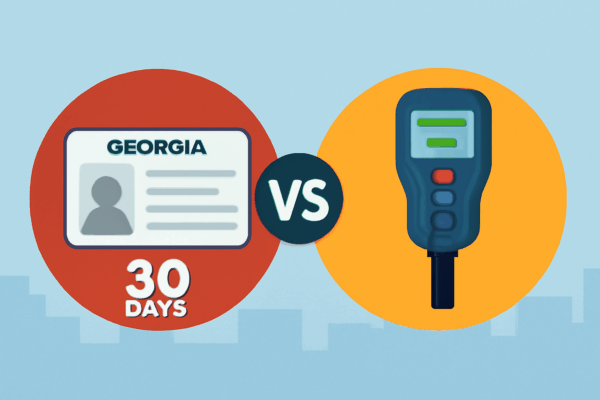
One of the most immediate consequences of a DUI charge in Georgia is the potential for a 30-day license suspension. If you are arrested for a DUI and either refuse a breathalyzer test or fail the test, you may face an automatic suspension of your driver’s license. This suspension lasts for 30 days and restricts your ability to drive. The 30-day suspension is part of the administrative penalties enforced by the Georgia Department of Driver Services. During this time, you will not be permitted to drive any vehicle, which can create a significant disruption in your daily activities, especially if you rely on your car for work, family responsibilities, or personal errands.
The suspension is typically the first phase of the penalty, and after this period, you may be eligible to reinstate your license by completing certain requirements. These could include attending a DUI risk reduction program, paying fines, or complying with other legal obligations. The impact of this suspension can be substantial, particularly for individuals who live in areas without easy access to public transportation or who rely on their vehicle for employment.
He's the only lawyer in the State of Georgia to ever be recognized for all three of these accomplishments. Received the Samurai Lawyer Award for having gone to jail for a total of 4 days in order to save his own client Received the BadAss Lawyer Award for the biggest impact of all DUI lawyers in DUI defense in the country Received the vote of Georgia Lawyers as a Superlawyer in DUI Law for 10 straight consecutive yearsGreg Willis has been successful at defending DUI cases (over 93.1% without a conviction)
What Is an Ignition Interlock Device
An ignition interlock device is a breathalyzer system that is installed in your vehicle. Before you can start the car, you must blow into the device, which will measure your blood alcohol content (BAC). If the device detects any alcohol on your breath above a certain limit, the car will not start. For first-time offenders, the installation of an ignition interlock device can be an alternative to the 30-day license suspension.
The ignition interlock device allows you to maintain the ability to drive while fulfilling your DUI penalties. This can be a significant benefit if you cannot afford to be without your car for an extended period. However, the device comes with its own set of responsibilities and costs. The installation, maintenance, and monitoring of the interlock device can be expensive, and you will need to pass a breath test every time you attempt to start your vehicle. Additionally, there may be regular checks and servicing of the device to ensure it is working properly.
While the device allows you to drive, it does come with the restriction that you cannot operate your vehicle if you have consumed alcohol. This can be a source of anxiety for those who may occasionally need to drive after consuming alcohol, even in small amounts. However, the device is also seen as a deterrent and a method of ensuring that individuals convicted of a DUI do not repeat the offense.
Choosing Between a 30-Day Suspension and Ignition Interlock
The choice between a 30-day license suspension and installing an ignition interlock device depends on your personal circumstances and how you value your ability to drive during the penalty period. Both options come with their own set of challenges and benefits, and understanding how each will affect your life is crucial in making the best decision.
Greg has truly mastered his craft. His preparation is second to none and his confidence helps reduce the nervousness and anxiety his clients face. He is a real life version of Harvey Specter and I highly recommend him.” - Travis Greg and his team are absolutely incredible. Greg explained everything to me in detail, as this is the first ever time I have been arrested. Regular updates throughout the process which allowed me to get on with everyday life. 200% I would recommend Greg and his team to anyone with a DUI case." - James Hellens Mr Willis is the best in the business. He knows the law inside and out. I was in a serious jam and Greg got my dui reduced to a reckless driving. This man will fight for you every step of the way." - Anonymous
If you can manage to live without a car for a month and do not need to drive for work or personal reasons, the 30-day suspension may be the better option. This penalty does not come with the added costs of installing and maintaining an ignition interlock device, and it allows you to fully comply with the law while taking a brief break from driving. On the other hand, if you rely heavily on your car and cannot afford to be without it for an extended period, the ignition interlock device may be the more practical option. It allows you to continue driving but with the added responsibility of using the device every time you start your vehicle.
There are other factors to consider, including the potential cost of the interlock device, which can be significant. The monthly fees for the installation and maintenance of the device can add up, and if you are financially strapped, this could be a heavy burden. However, the interlock device may allow you to avoid losing your job or facing personal hardship from the suspension.
Cost Considerations
When considering whether to choose the ignition interlock device or accept a 30-day license suspension, the cost is a major factor to take into account. The ignition interlock device requires both installation and monthly maintenance, which can cost hundreds of dollars over the course of the required installation period. These costs can vary depending on the provider, but it’s important to remember that you’ll be responsible for paying for both the device and the monitoring.
The 30-day suspension has no direct cost, but it may result in indirect costs, such as missing work, being unable to meet personal obligations, or needing to rely on public transportation or rides from others. Depending on your situation, the cost of a suspension could be just as burdensome, if not more so, than the installation of an ignition interlock device.
Related Videos
Choosing a Georgia DUI Attorney
Defenses and Strategies to Defend a DUI Charge
Time and Responsibility Commitment
Another important consideration is the time commitment involved with both options. The 30-day suspension is a fixed period of time, which means you will know exactly when your driving privileges will be restored. In contrast, the ignition interlock device may need to be installed for several months, depending on the court’s ruling or the terms of your agreement with the Georgia Department of Driver Services. The duration of the interlock requirement can extend beyond the initial 30 days and could last for several months.
During the time the device is installed, you must follow strict protocols regarding alcohol consumption and driving. Any violation of these protocols, such as attempting to drive with alcohol on your breath, could result in additional penalties. This level of responsibility requires a strong commitment to sobriety, as even a small mistake can result in a failure to pass the test.
Consulting a DUI Attorney
The best way to determine which option is best for your specific case is to consult with an experienced DUI attorney. A qualified attorney can review the facts of your case and provide expert advice on the best course of action. They can help you understand the nuances of the law and whether you qualify for the ignition interlock device or the suspension. In some cases, a skilled attorney may even be able to help you reduce the penalty or pursue alternative sentencing options.
Protecting a Professional License After a DUI and Refusal of a Blood Test Result: DUI Dismissed with No Jail Time and No Loss of License Challenging Admissibility of a .19 BAC Blood Test and Field Sobriety Evaluation Result: No Jail Time, No DUI on Record, No License SuspensionFeatured Case Results
Choosing between a 30-day license suspension and an ignition interlock device can be difficult, but with the right legal guidance, you can make the best decision for your case. An attorney can also help you navigate the legal system, ensuring that you comply with all necessary requirements and avoid additional penalties.
A DUI charge in Atlanta is a serious matter, and the penalties you face can significantly affect your personal and professional life. Understanding the options available to you—whether a 30-day license suspension or the installation of an ignition interlock device—is critical to making the best choice for your situation. Both options come with their own set of challenges, but with the right information and legal guidance, you can ensure that you make the decision that minimizes your consequences and helps you move forward in the best way possible.
If you’ve been arrested for a DUI in Atlanta, it’s important to consult with an experienced attorney. At Willis Law Firm, we offer a free consultation to help you understand your rights and navigate the legal system. Contact us today to get the expert legal advice you need.