
During the winter season, Georgia sees an uptick in DUI checkpoints as law enforcement works to prevent impaired driving and ensure road safety. At Willis Law Firm, we believe it’s important for all drivers to understand what to expect at these checkpoints, what their rights are, and how to protect themselves if they encounter one of these operations.
He's the only lawyer in the State of Georgia to ever be recognized for all three of these accomplishments. Received the Samurai Lawyer Award for having gone to jail for a total of 4 days in order to save his own client Received the BadAss Lawyer Award for the biggest impact of all DUI lawyers in DUI defense in the country Received the vote of Georgia Lawyers as a Superlawyer in DUI Law for 10 straight consecutive yearsGreg Willis has been successful at defending DUI cases (over 93.1% without a conviction)
The combination of holiday celebrations, cold weather, and increased travel often leads to more drivers on the road, some of whom may be impaired by alcohol or drugs. To combat this, the Georgia State Patrol and local police departments increase DUI enforcement, especially through sobriety checkpoints. In this guide, we provide a thorough overview of DUI checkpoints in Georgia during the winter months, outlining what drivers need to know and how they can navigate these situations without trouble.
What Are DUI Checkpoints?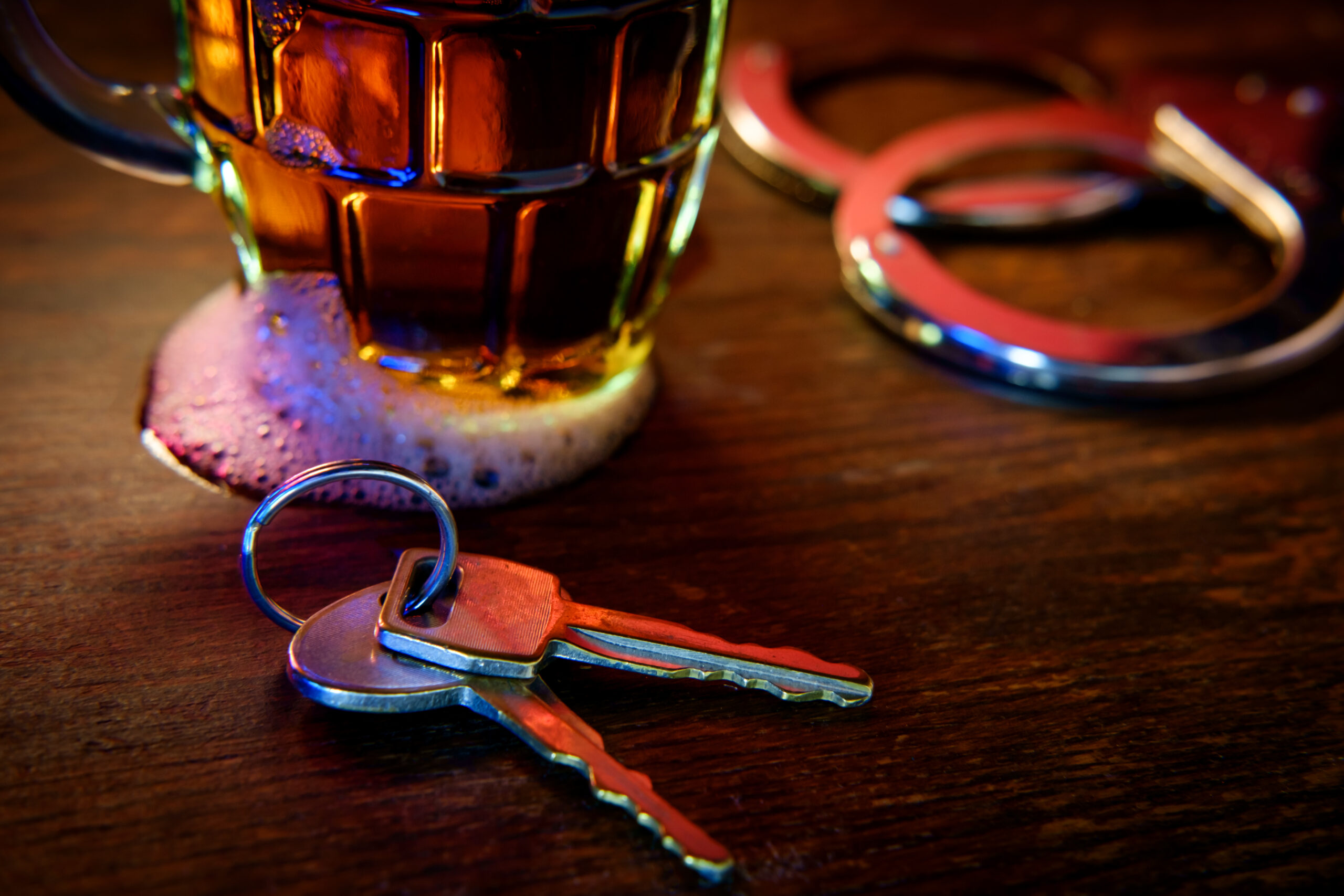
DUI checkpoints, also known as sobriety checkpoints, are locations set up by police officers to screen drivers for signs of intoxication. These checkpoints are legal in Georgia and are strategically placed in areas where impaired driving is more likely, such as near bars, restaurants, highways, and busy intersections.
The primary goal of these checkpoints is to reduce accidents and fatalities caused by impaired drivers. During the winter months, when the risk of accidents increases due to both weather conditions and alcohol consumption related to holiday festivities, the police are more likely to set up these checkpoints.
DUI checkpoints are announced in advance, and law enforcement often publicizes their locations. This transparency is intended to serve as a deterrent, encouraging drivers to make safe and responsible decisions about getting behind the wheel. However, being prepared for what to expect at a checkpoint is important so that drivers can avoid feeling anxious or caught off guard.
Greg has truly mastered his craft. His preparation is second to none and his confidence helps reduce the nervousness and anxiety his clients face. He is a real life version of Harvey Specter and I highly recommend him.” - Travis Greg and his team are absolutely incredible. Greg explained everything to me in detail, as this is the first ever time I have been arrested. Regular updates throughout the process which allowed me to get on with everyday life. 200% I would recommend Greg and his team to anyone with a DUI case." - James Hellens Mr Willis is the best in the business. He knows the law inside and out. I was in a serious jam and Greg got my dui reduced to a reckless driving. This man will fight for you every step of the way." - Anonymous
How DUI Checkpoints Work in Georgia
When you approach a DUI checkpoint in Georgia, you should be aware of what the police may ask you to do. Here’s an overview of the checkpoint process:
- Approaching the Checkpoint: DUI checkpoints are often clearly marked with signs or flashing lights. As you approach, you will be directed to stop at the checkpoint where officers will ask you for your driver’s license, registration, and proof of insurance.
- Field Sobriety Tests: In some cases, officers may ask drivers to step out of their vehicles to conduct field sobriety tests. These tests are meant to evaluate whether a driver is under the influence of alcohol or drugs. They may include walking in a straight line, standing on one leg, or following a moving object with your eyes.
- Breathalyzer Tests: If an officer suspects you are impaired, they may request that you take a breathalyzer test to determine your blood alcohol content (BAC). In Georgia, the legal limit is 0.08%. Refusing a breathalyzer test after being arrested can lead to automatic penalties, such as the suspension of your driver’s license.
What to Expect if You Are Stopped
It’s essential to stay calm and cooperative during a DUI checkpoint. Officers are looking for signs of impairment, but they are also conducting routine checks to ensure the safety of all drivers. Here’s what you can expect if you are stopped at a checkpoint:
- Politeness: Officers will generally ask for your license, registration, and proof of insurance. It’s important to be polite and respectful during this interaction.
- Field Sobriety Tests: If you appear to be impaired, officers may ask you to take a field sobriety test. While you can refuse a field sobriety test, it’s important to remember that refusal might raise suspicion and lead to other consequences.
- Breathalyzer or Chemical Test: If the officer has reasonable suspicion of impairment, they may ask you to submit to a breathalyzer test or a chemical test. If you refuse, it may result in consequences, such as a license suspension.
Related Videos
Choosing a Georgia DUI Attorney
Defenses and Strategies to Defend a DUI Charge
Your Rights During a DUI Checkpoint
While DUI checkpoints are legal in Georgia, it’s important to know your rights if you are stopped. Here’s an overview of what you can and cannot do during a DUI checkpoint stop:
- The Right to Remain Silent: In Georgia, you do not have to answer questions beyond providing identification and documents requested by the officer. You have the right to remain silent regarding your whereabouts, whether you’ve been drinking, or other details. However, refusing to answer questions may raise suspicion and delay the process.
- The Right to Refuse a Field Sobriety Test: You can refuse to take a field sobriety test, but refusing may be seen as suspicious behavior and could lead to arrest. In Georgia, refusal to take a breathalyzer test once arrested will result in an automatic one-year license suspension.
- The Right to Challenge a DUI Charge: If you are arrested for DUI, you have the right to challenge the charges in court with the assistance of a lawyer. Having an experienced attorney from Willis Law Firm on your side can make a difference in the outcome of your case.
Why DUI Checkpoints Are Common During the Winter
The winter season is a time when DUI checkpoints are more frequent in Georgia for several reasons:
- Holiday Travel: Many people travel during the winter months to visit family and friends or attend holiday parties. This increased travel often leads to higher numbers of impaired drivers on the road.
- Colder Weather: Winter weather conditions, including icy or wet roads, can create additional hazards for drivers. Law enforcement increases their vigilance during this time to prevent accidents caused by both impaired and reckless driving.
- Increased Alcohol Consumption: With the rise in holiday parties and festivities, there is a noticeable increase in alcohol consumption. DUI checkpoints help prevent drunk driving during the time when many people are drinking more than usual.
How to Protect Yourself at DUI Checkpoints
It’s important to take the right steps to protect yourself and avoid running into trouble during a DUI checkpoint:
- Never Drive Under the Influence: The simplest way to avoid problems at a DUI checkpoint is to never drive under the influence of alcohol or drugs. If you plan on drinking, consider using a designated driver, public transportation, or a ride-sharing service.
- Know Your Rights: Understand your legal rights if you are stopped. Having this knowledge will help you stay calm and assertive during the checkpoint process.
- Be Respectful: Being respectful and cooperative with law enforcement can help avoid additional complications. Answer questions politely, and if you’re asked to take a sobriety test, calmly respond.
What Happens if You Are Arrested for DUI in Georgia?
If you are arrested for DUI in Georgia, the consequences can be significant. Here are some of the potential penalties:
- License Suspension: If your BAC is above 0.08%, your license will be suspended. Even if you are not convicted, a DUI arrest in Georgia automatically triggers a 30-day license suspension unless you request an administrative hearing.
- Criminal Penalties: A DUI conviction can lead to fines, community service, mandatory DUI education programs, and jail time for repeat offenders.
- Increased Insurance Costs: A DUI conviction will likely result in higher car insurance rates. Some drivers may also face difficulty obtaining car insurance.
What to Do if You Are Arrested for DUI
If you are arrested for DUI in Georgia, it’s important to take the following steps:
- Contact a DUI Lawyer: An experienced DUI attorney from Willis Law Firm can help you navigate the legal process, understand your options, and protect your rights.
- Request a Hearing: You have 30 days to request a hearing regarding your license suspension. Your attorney can help you with this process.
- Explore Alternative Sentencing: Depending on your case, there may be alternative sentencing options, such as probation or community service, that can help reduce the penalties you face.
DUI checkpoints in Georgia serve as an essential tool for keeping roads safe, especially during the winter months when driving risks are heightened. By understanding what to expect at a DUI checkpoint, knowing your rights, and driving responsibly, you can ensure that you won’t run into trouble. However, if you are arrested, having the right legal support is crucial. Willis Law Firm is here to provide expert DUI defense and ensure the best possible outcome in your case.
If you’ve been arrested for DUI in Georgia, don’t face the legal process alone. Contact Willis Law Firm for a free consultation and let us help protect your rights and guide you through the steps needed to achieve the best possible result.