
As winter rolls in, many of us find ourselves battling seasonal illnesses like the cold or flu. In an attempt to relieve the discomfort, we often turn to over-the-counter cold medications to ease our symptoms. While these medications provide temporary relief, they can also come with side effects that impair our ability to drive safely. Cold medicines, particularly those with sedative ingredients, can cause drowsiness, dizziness, or confusion, leading to impaired judgment and slower reaction times.
Willis Law Firm wants to ensure that you understand the risks associated with taking cold medicine, especially when it comes to operating a vehicle. Many people may not realize that cold medicine can lead to a DUI charge if you are caught driving while under the influence of these substances. This is because, in many states, including Georgia, DUI laws don’t only apply to alcohol or illegal drugs, but also to legal substances that can impair driving.

2025 Atlanta's Best - Defense Law Firm
BadAss Attorney

Best Lawyers In America

10 Consecutive Years Selected to Super Lawyers

AVVO Client's Choice

Best Lawyers Best Law Firms
The Types of Cold Medicine That Can Impair Driving 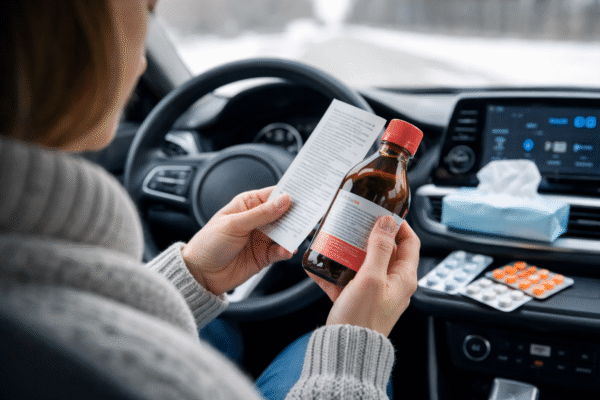
Over-the-counter cold medications are designed to alleviate symptoms like congestion, cough, and fever. However, many of these medications contain ingredients that can alter your mental and physical state, making driving unsafe. Some common ingredients in cold medicine that can affect your ability to drive include:
- Diphenhydramine: Found in antihistamines like Benadryl, this ingredient is known for causing drowsiness and impairing cognitive function. While it can help with symptoms like sneezing and runny nose, it can also make you feel tired or sluggish.
- Dextromethorphan: A cough suppressant that works by reducing the urge to cough. While it’s effective for easing coughs, it can also cause confusion and drowsiness in high doses.
- Pseudoephedrine: A decongestant that can raise blood pressure and cause restlessness or anxiety. It can also impair concentration and decision-making, which are essential when driving.
- Alcohol: Some cough syrups contain small amounts of alcohol, which can have similar effects to drinking alcoholic beverages. Alcohol slows down your reflexes and impairs your ability to react quickly in emergency situations.
If you take any of these medications, it’s important to know how they affect you personally. Some individuals may feel the sedative effects strongly, while others may not feel impaired right away. It’s always better to err on the side of caution and avoid driving if you feel any of the effects associated with these medications.
He's the only lawyer in the State of Georgia to ever be recognized for all three of these accomplishments. Received the Samurai Lawyer Award for having gone to jail for a total of 4 days in order to save his own client Received the BadAss Lawyer Award for the biggest impact of all DUI lawyers in DUI defense in the country Received the vote of Georgia Lawyers as a Superlawyer in DUI Law for 10 straight consecutive yearsGreg Willis has been successful at defending DUI cases (over 93.1% without a conviction)
How Cold Medicine Can Lead to DUI Arrests
The most common reason people find themselves in legal trouble after taking cold medicine is that they underestimate its effects on their ability to drive. Many people assume that, because the medication is legal and available over-the-counter, it cannot cause the same problems as alcohol or illicit drugs. However, in Georgia and many other states, driving under the influence is not limited to alcohol and illegal drugs alone. Any substance, legal or not, that impairs your ability to drive can result in a DUI charge.
Law enforcement officers are trained to recognize the signs of impaired driving, and they can stop you if they observe erratic driving behavior. If you are pulled over, the officer may conduct field sobriety tests or request a breathalyzer or blood test to determine if you are under the influence. Even if the substance in question is legal, if it impairs your ability to drive, you can be charged with a DUI.
If you are caught driving while under the influence of cold medicine, the consequences can be severe. A DUI conviction in Georgia can result in:
- Fines
- License suspension
- Increased insurance rates
- Mandatory drug and alcohol education classes
- Possible jail time, depending on the circumstances of the arrest
These penalties can have long-lasting effects on your personal and professional life, so it’s essential to take steps to avoid getting behind the wheel while impaired by any substance, including cold medicine.
Greg has truly mastered his craft. His preparation is second to none and his confidence helps reduce the nervousness and anxiety his clients face. He is a real life version of Harvey Specter and I highly recommend him.” - Travis Greg and his team are absolutely incredible. Greg explained everything to me in detail, as this is the first ever time I have been arrested. Regular updates throughout the process which allowed me to get on with everyday life. 200% I would recommend Greg and his team to anyone with a DUI case." - James Hellens Mr Willis is the best in the business. He knows the law inside and out. I was in a serious jam and Greg got my dui reduced to a reckless driving. This man will fight for you every step of the way." - Anonymous
Symptoms of Impaired Driving: How to Tell if Cold Medicine is Affecting You
It’s not always easy to recognize when cold medicine is impairing your ability to drive. Some people may feel the effects immediately, while others may not notice them until they are on the road. Here are some common symptoms of impairment caused by cold medicine:
- Drowsiness: One of the most common side effects of cold medicine is drowsiness. If you find yourself feeling unusually tired or unable to focus, it may be best to avoid driving.
- Slower reaction times: Cold medications can slow down your reflexes and make it harder to respond to sudden changes in traffic or road conditions. If you find yourself reacting more slowly than usual, it may be time to pull over and rest.
- Dizziness or lightheadedness: Some cold medicines can cause dizziness or a sensation of spinning. This can be dangerous when driving, as it can affect your balance and coordination.
- Confusion or foggy thinking: If you feel mentally foggy or unable to concentrate, it’s best to avoid driving. Cold medicine can impair your cognitive function, making it harder to process information and make decisions quickly.
If you experience any of these symptoms after taking cold medicine, it’s important to reconsider driving. You may feel like you can handle it, but even small impairments can be enough to cause an accident or lead to a DUI arrest.
Related Videos
Choosing a Georgia DUI Attorney
Defenses and Strategies to Defend a DUI Charge
What You Can Do to Stay Safe This Winter
The good news is that there are ways to protect yourself from legal trouble and stay safe while driving during the winter months, even if you’re feeling under the weather. Here are some tips for staying safe while taking cold medicine:
- Read the label carefully: Before taking any cold medicine, make sure you understand the ingredients and the potential side effects. Look for warnings about driving or operating heavy machinery.
- Avoid driving if you feel impaired: If you feel drowsy, dizzy, or mentally foggy after taking cold medicine, don’t drive. It’s better to use public transportation, arrange for a ride, or stay home until you feel better.
- Consider alternative medications: If you need to drive and are concerned about the effects of cold medicine, talk to your doctor or pharmacist about alternatives that may be less likely to impair your ability to drive.
- Give yourself time to rest: If you are feeling unwell and have taken cold medicine, it’s best to rest until the effects wear off. Rushing to get back on the road can lead to unsafe driving and legal trouble.
- Plan ahead: If you know you’ll be taking cold medicine and need to go somewhere, plan ahead for alternate transportation. Consider asking a friend or family member for a ride or use a rideshare service.
Taking cold medicine responsibly and knowing how it affects you can help you avoid dangerous situations on the road. If you are ever unsure about your ability to drive after taking medicine, err on the side of caution and choose a safer alternative.
Protecting a Professional License After a DUI and Refusal of a Blood Test Result: DUI Dismissed with No Jail Time and No Loss of License Challenging Admissibility of a .19 BAC Blood Test and Field Sobriety Evaluation Result: No Jail Time, No DUI on Record, No License SuspensionFeatured Case Results
Legal Help for DUI Arrests in Georgia
If you have been arrested for DUI after taking cold medicine, it’s essential to seek legal help as soon as possible. DUI charges are serious and can have long-lasting consequences. A skilled attorney from Willis Law Firm can help you navigate the legal process and work to reduce the charges against you.
Our attorneys specialize in DUI defense and have the experience and knowledge to help you understand your rights and options. Contact Willis Law Firm today for a free consultation to discuss your case and how we can assist you in achieving the best possible outcome.
If you or someone you know has been arrested for DUI in Georgia, contact Willis Law Firm for experienced legal assistance. Our team of experienced DUI attorneys can provide a free consultation and help you understand your legal rights and options. Call us or visit our website at https://www.willislawga.com to get started.