
Facing a DUI charge in Georgia can be overwhelming, especially with new innovations in DUI testing that may seem difficult to understand. As a defendant, you might feel confused or worried about how these advancements affect your case. Rest assured, you are not alone. At Willis Law Firm, we understand the anxiety that comes with a DUI charge and we are here to help guide you through every step of your legal journey.
DUI tests have evolved over time, and these changes are important to understand as they directly affect how cases are handled. From breathalyzers to blood tests, the methods used to measure intoxication can make or break a case. In Georgia, it is crucial to know how these new innovations might influence the outcome of your case. Let’s take a closer look at how recent changes in DUI testing are impacting cases in Georgia, and why having the right legal support is crucial.
The Role of DUI Tests in Georgia Cases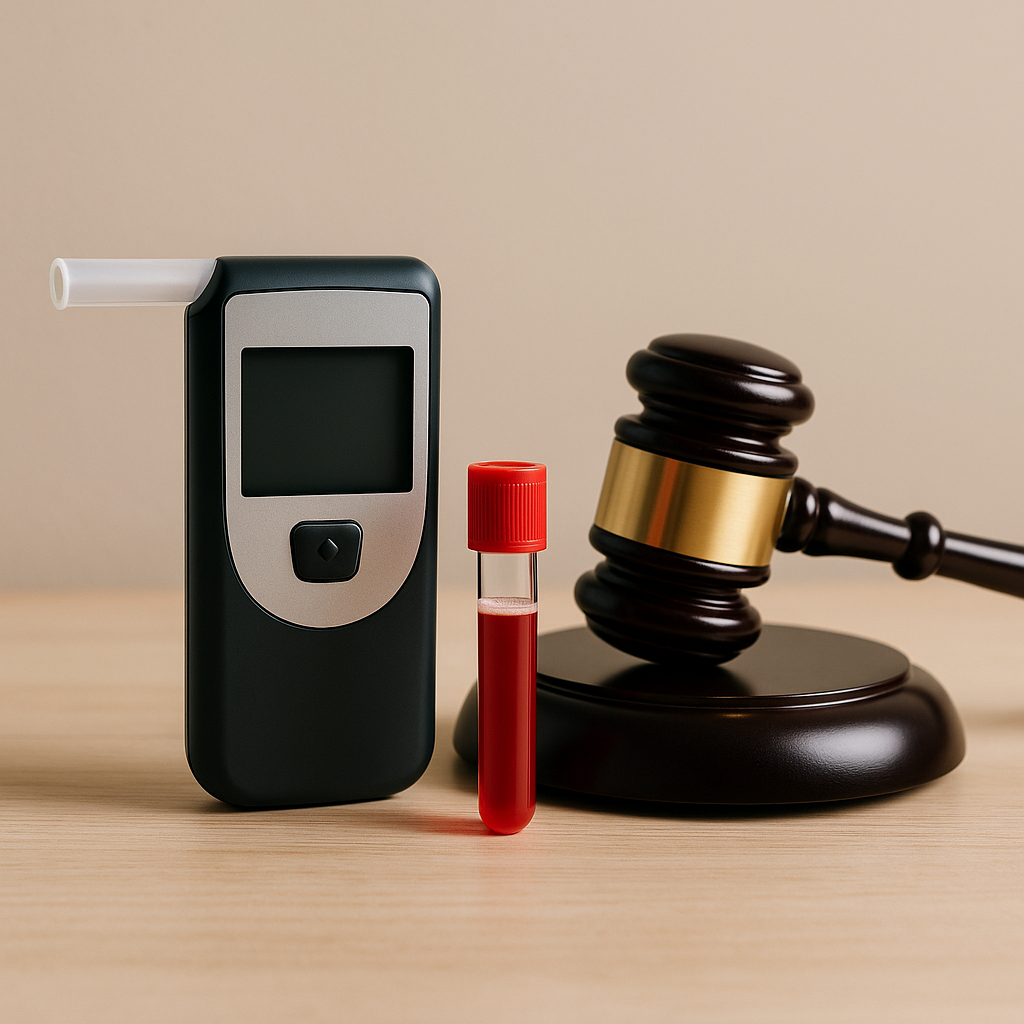
When you are arrested for DUI in Georgia, the tests conducted on-site or later in a lab are used to determine your blood alcohol concentration (BAC). Typically, there are three types of tests used: breath tests, blood tests, and urine tests. Breath tests are the most common method used by police officers when someone is suspected of driving under the influence. However, recent innovations in testing technologies have changed how these tests are administered, as well as their accuracy.
The results of these tests are often the centerpiece of DUI cases. A high BAC result can lead to severe penalties, including fines, license suspension, or even jail time. That’s why it’s important to understand the accuracy and reliability of these tests. Innovations in testing have made it possible for results to be challenged in court, which can work in your favor if you face a DUI charge. Let’s dive into some of the latest innovations in DUI testing and how they might impact your case.
He's the only lawyer in the State of Georgia to ever be recognized for all three of these accomplishments. Received the Samurai Lawyer Award for having gone to jail for a total of 4 days in order to save his own client Received the BadAss Lawyer Award for the biggest impact of all DUI lawyers in DUI defense in the country Received the vote of Georgia Lawyers as a Superlawyer in DUI Law for 10 straight consecutive yearsGreg Willis has been successful at defending DUI cases (over 93.1% without a conviction)
Advancements in Breathalyzer Technology
For many years, the breathalyzer test has been a primary method for determining a driver’s BAC. Police officers use breathalyzers to measure the alcohol in a person’s breath, which is assumed to be proportional to their blood alcohol level. However, advancements in breathalyzer technology have made these devices more accurate than ever before.
The latest models of breathalyzers are now capable of providing more precise readings, reducing the likelihood of errors that could affect the results. Yet, these devices are still not infallible. Factors such as improper calibration, maintenance issues, and external conditions can lead to inaccurate results. For instance, some newer breathalyzer models may have issues detecting certain chemicals or interfering substances, like mouthwash or medications, which can cause a false positive result.
How These Innovations Affect Your DUI Defense
Georgia law allows defendants to challenge breathalyzer results if they can prove that the equipment was not properly maintained, calibrated, or operated. This means that even if a breathalyzer reading is above the legal limit, your case might not automatically result in a conviction. Understanding how to challenge breathalyzer results is key to building a successful defense, and having an experienced attorney on your side can help ensure that all factors affecting the accuracy of these tests are thoroughly examined.
Greg has truly mastered his craft. His preparation is second to none and his confidence helps reduce the nervousness and anxiety his clients face. He is a real life version of Harvey Specter and I highly recommend him.” - Travis Greg and his team are absolutely incredible. Greg explained everything to me in detail, as this is the first ever time I have been arrested. Regular updates throughout the process which allowed me to get on with everyday life. 200% I would recommend Greg and his team to anyone with a DUI case." - James Hellens Mr Willis is the best in the business. He knows the law inside and out. I was in a serious jam and Greg got my dui reduced to a reckless driving. This man will fight for you every step of the way." - Anonymous
The Rise of Blood Test Accuracy
While breath tests are widely used, blood tests are also a common method for DUI testing in Georgia. A blood test provides a direct measurement of the alcohol content in your bloodstream, which makes it a more accurate test than breathalyzers. With recent advances in lab testing technology, blood tests are now able to detect alcohol and other substances more accurately than before.
One of the most significant innovations in blood testing has been the ability to measure drug impairment alongside alcohol levels. This is particularly important in Georgia, where DUI charges are not limited to alcohol but also include driving under the influence of drugs. As more drivers test positive for drugs, blood tests have become a crucial tool for determining impairment.
Challenges in Blood Testing
Blood tests, while more reliable than breath tests, are still subject to human error. Whether it’s a mix-up at the lab or improper handling of the sample, mistakes in blood testing can lead to unreliable results. Defendants can challenge the handling and processing of blood samples, and in some cases, these challenges can result in the dismissal of evidence.
The Impact of Urine Tests in DUI Cases
Urine tests are typically used when other methods, like breathalyzers and blood tests, cannot be administered. Although less common than breath and blood tests, urine tests are still a valid way to determine intoxication levels. Urine tests are primarily used to detect drugs in a person’s system rather than alcohol.
With recent advancements, urine tests are now able to detect a wider variety of drugs and their metabolites. However, urine tests are not as precise as blood tests and are more prone to inaccuracies. For instance, urine tests can detect drugs that were taken days before the test was administered, making it difficult to pinpoint the exact time of impairment.
Related Videos
Choosing a Georgia DUI Attorney
Defenses and Strategies to Defend a DUI Charge
Challenges in Urine Testing
Urine tests have become less common in DUI cases, but they are still an important tool in Georgia DUI law. Defendants who undergo urine tests can challenge their results by pointing out the imprecise nature of the test and the potential for false positives.
The Legal Ramifications of DUI Test Innovations in Georgia
As DUI test technology advances, so does the legal landscape surrounding DUI charges. In Georgia, DUI law has adapted to keep up with new innovations in testing, but this does not mean that defendants are automatically at a disadvantage. In fact, these innovations offer new opportunities to challenge DUI test results and potentially secure a favorable outcome in your case.
For instance, if a defendant faces a DUI charge based on breathalyzer results, recent advancements in breathalyzer technology could provide a way to challenge the test’s accuracy. Issues such as improper calibration, interference from external substances, or failure to follow proper protocol can be used as defenses in court.
Similarly, blood and urine tests can also be challenged if there is evidence of mishandling or errors in the testing process. If you’ve been charged with DUI in Georgia, understanding the nuances of how these innovations impact your case can help you mount an effective defense.
Protecting a Professional License After a DUI and Refusal of a Blood Test Result: DUI Dismissed with No Jail Time and No Loss of License Challenging Admissibility of a .19 BAC Blood Test and Field Sobriety Evaluation Result: No Jail Time, No DUI on Record, No License SuspensionFeatured Case Results
How Willis Law Firm Can Help You Navigate Your DUI Case
Facing a DUI charge in Georgia can be an overwhelming experience. With the advancements in DUI test technology, navigating the legal process can feel even more complicated. At Willis Law Firm, we understand the emotions and uncertainty that come with being accused of driving under the influence, and we are here to help guide you through this challenging time.
Our experienced team can help you understand how recent DUI test innovations impact your case and ensure that every potential defense is explored. From challenging breathalyzer results to investigating the handling of blood and urine samples, we are dedicated to finding every possible way to protect your rights and help you achieve the best possible outcome.
If you have been charged with DUI in Georgia, don’t wait to take action. The legal process can be complex, but with the right support, you can fight back. Reach out to Willis Law Firm today to schedule a consultation and get the experienced legal help you need. Together, we can work towards securing the best result for your case.