
If you are convicted of a DUI in Georgia, you may be required to install an ignition interlock device (IID) in your vehicle. Understanding when you need it, what it will cost, and the challenges that come with it is crucial for avoiding unnecessary complications. This guide provides you with everything you need to know about IIDs in Georgia, including their costs, common pitfalls, and practical tips to navigate the process.

2025 Atlanta's Best - Defense Law Firm

BadAss Attorney

Best Lawyers In America

10 Consecutive Years Selected to Super Lawyers

AVVO Client's Choice

Best Lawyers Best Law Firms
What Is an Ignition Interlock Device (IID)? 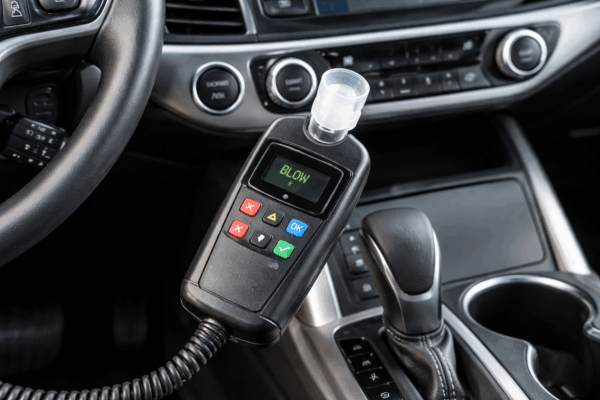
An ignition interlock device is a small breathalyzer installed in your vehicle. Before starting the engine, you are required to blow into the device. If the device detects any alcohol on your breath, the vehicle will not start. This device serves as a safeguard to prevent individuals convicted of DUI from driving under the influence again. It is often mandated by the court as part of the sentence, particularly for repeat offenders or individuals whose blood alcohol concentration (BAC) was especially high at the time of arrest.
While the concept of the IID is simple, its impact on your daily life can be significant. If you are ordered to install an IID, it means you cannot drive without passing a breath test first, which could create substantial inconvenience in your routine. However, for those determined to regain their driving privileges safely, the IID offers a way forward.
When Is an IID Required in Georgia?
In Georgia, the requirement for installing an ignition interlock device is typically associated with DUI convictions. You may be required to install an IID in the following situations:
- First Offense DUI with a High BAC: If you are convicted of DUI and had a BAC of 0.15% or higher, the court may require you to install an IID as part of your sentence.
- Second DUI Offense: A second DUI conviction within five years typically comes with an IID requirement, regardless of the BAC level at the time of the offense.
- Underage DUI Offense: If you are under the age of 21 and are convicted of DUI, an IID may be ordered, even if your BAC is below the legal limit for adults.
- Commercial Driver’s License (CDL) DUI: If you hold a CDL and are convicted of DUI, you may face an IID requirement as part of your sentence.
- License Suspension After DUI: If your license is suspended due to a DUI conviction, installing an IID may be a way to get a restricted license that allows you to drive to work or other essential locations.
In these cases, the IID is used as a condition of the sentence to allow you to regain driving privileges, but it is not without its challenges and costs.
He's the only lawyer in the State of Georgia to ever be recognized for all three of these accomplishments. Received the Samurai Lawyer Award for having gone to jail for a total of 4 days in order to save his own client Received the BadAss Lawyer Award for the biggest impact of all DUI lawyers in DUI defense in the country Received the vote of Georgia Lawyers as a Superlawyer in DUI Law for 10 straight consecutive yearsGreg Willis has been successful at defending DUI cases (over 93.1% without a conviction)
Understanding the Costs of an Ignition Interlock Device
The cost of an ignition interlock device can be surprisingly high, especially when you consider that you might need it for several months or even years. Below is a breakdown of the typical costs associated with the installation and maintenance of an IID in Georgia:
- Installation Costs: The initial installation fee for an IID can range from $70 to $150, depending on the service provider and the complexity of the device. This fee is typically paid upfront when the device is installed in your vehicle.
- Monthly Rental Fees: Once the device is installed, you will need to pay a monthly rental fee. This fee typically ranges between $60 and $90 per month, though it can vary by location and provider. It’s important to note that this cost is recurring, and you will need to budget for it throughout the duration of your sentence.
- Maintenance and Calibration: The ignition interlock device requires regular maintenance to ensure it continues functioning properly. This includes calibration, which is usually required every 60 to 90 days. The cost for maintenance and calibration can range from $50 to $100 per visit, adding to your overall expenses.
- Early Removal Fees: If you manage to complete your required IID period early, you may still face a fee for removing the device. This can cost around $50 to $100, depending on the service provider.
Greg has truly mastered his craft. His preparation is second to none and his confidence helps reduce the nervousness and anxiety his clients face. He is a real life version of Harvey Specter and I highly recommend him.” - Travis Greg and his team are absolutely incredible. Greg explained everything to me in detail, as this is the first ever time I have been arrested. Regular updates throughout the process which allowed me to get on with everyday life. 200% I would recommend Greg and his team to anyone with a DUI case." - James Hellens Mr Willis is the best in the business. He knows the law inside and out. I was in a serious jam and Greg got my dui reduced to a reckless driving. This man will fight for you every step of the way." - Anonymous
How Long Do You Need to Have an IID Installed?
The length of time you are required to have an IID installed in your vehicle can vary depending on the circumstances of your conviction. Typically, the duration is as follows:
- First DUI Offense with a BAC of 0.15% or higher: You may be required to have an IID installed for six months or longer, depending on the court’s ruling.
- Second DUI Offense: For a second DUI conviction, the court may mandate that the IID be installed for at least one year.
- Underage DUI: If you are under 21 and convicted of DUI, the IID requirement could last for a period ranging from six months to one year, depending on your specific case.
While you may feel the frustration of being restricted in your driving, the IID requirement is a way to ensure that you are not a danger to yourself or others while operating a vehicle. It’s also important to note that failing to comply with the IID requirement could lead to additional penalties or a lengthened sentence.
Related Videos
Choosing a Georgia DUI Attorney
Defenses and Strategies to Defend a DUI Charge
Pitfalls to Avoid When Using an Ignition Interlock Device
There are several common pitfalls that individuals face when dealing with ignition interlock devices. By being aware of these potential issues, you can avoid them and ensure that your experience with the IID is as smooth as possible:
- Incorrect Usage: One of the most common mistakes is not using the device correctly. It’s essential to ensure that you blow into the device properly. A misstep or incomplete breath test may result in a failure, which can be seen as a violation of your IID requirements.
- Tampering with the Device: It’s important to understand that tampering with the ignition interlock device is illegal. If you attempt to bypass the system or interfere with the device in any way, you could face serious consequences, including additional legal charges or extended IID installation requirements.
- Failure to Maintain the Device: Missing scheduled calibration or maintenance appointments is another common mistake. If you fail to keep up with the regular maintenance required by the IID, it could lead to additional fees or a longer period of mandatory IID installation.
- Additional Fees: Some people find that the total costs for their IID exceed their expectations, especially when factoring in maintenance, calibration, and other hidden fees. It’s important to fully understand the cost structure before you agree to have the device installed.
Protecting a Professional License After a DUI and Refusal of a Blood Test Result: DUI Dismissed with No Jail Time and No Loss of License Challenging Admissibility of a .19 BAC Blood Test and Field Sobriety Evaluation Result: No Jail Time, No DUI on Record, No License SuspensionFeatured Case Results
How to Navigate the IID Process Successfully
To avoid the pitfalls associated with ignition interlock devices, it’s essential to take a proactive approach. Here are some tips for managing your IID experience:
- Stay on Top of Your Appointments: Mark your calendar for calibration and maintenance appointments so you don’t forget them. Keeping your device in top condition is key to avoiding delays or additional penalties.
- Follow the Rules: Always blow into the device as instructed and do not attempt to tamper with it. Following the rules will help you stay in compliance and avoid unnecessary complications.
- Understand the Costs: Before agreeing to install an IID, make sure you fully understand the costs involved. This includes installation fees, monthly rental fees, maintenance costs, and any other potential charges.
- Work with a Lawyer: If you have questions or concerns about the IID requirement, working with an experienced DUI defense attorney can help. A lawyer can help you navigate the legal complexities of your DUI case and ensure that you are in compliance with all court orders.
While the requirement for an ignition interlock device may feel burdensome, it is an essential step for many individuals seeking to regain their driving privileges after a DUI conviction. By understanding when you need an IID, being aware of the costs involved, and avoiding common pitfalls, you can manage this requirement successfully and move forward with your life.
If you are facing a DUI conviction in Georgia and need guidance regarding ignition interlock devices, Willis Law Firm is here to help. Our team of experienced attorneys can assist you in understanding your legal options and ensuring compliance with all DUI-related requirements.