
In colder months, field sobriety tests in Fulton County, such as the walk-and-turn, can be affected by environmental factors like cold weather and inappropriate footwear. In this post, we explore how these factors may lead to an unfair judgment of impairment and what you can do to protect yourself during a DUI stop.

2025 Atlanta's Best - Defense Law Firm
BadAss Attorney

Best Lawyers In America

10 Consecutive Years Selected to Super Lawyers

AVVO Client's Choice

Best Lawyers Best Law Firms
Understanding the Walk-and-Turn Test 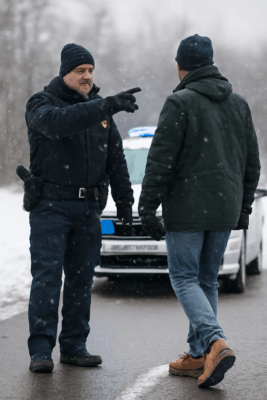
The walk-and-turn test is one of the primary methods used by law enforcement to assess whether someone is under the influence of alcohol or drugs during a DUI stop. During the test, the individual is asked to walk a straight line, turn around, and return to the starting point while following specific instructions. The officer looks for signs of impaired coordination, balance, and the ability to follow multi-step directions.
While this test is widely accepted as an effective method to detect impairment, it is not perfect. In fact, there are several factors that can interfere with the results, leading to an inaccurate reading of the individual’s sobriety. One such factor is cold weather, which is especially prevalent in Fulton County during the winter months. In this article, we’ll dive into how shivering, muscle stiffness, and poorly chosen footwear can affect your performance on the walk-and-turn test, and why it’s essential to understand these challenges when dealing with a DUI charge.
How Cold Weather Affects Your Physical Performance
When it’s cold outside, our bodies react in specific ways that are not necessarily under our control. In Fulton County, where temperatures can dip below freezing during the winter months, drivers who are pulled over may be facing conditions that make it harder to perform field sobriety tests. Cold-induced reactions like shivering and muscle stiffness can interfere with motor control, affecting a person’s ability to complete the test as instructed.
He's the only lawyer in the State of Georgia to ever be recognized for all three of these accomplishments. Received the Samurai Lawyer Award for having gone to jail for a total of 4 days in order to save his own client Received the BadAss Lawyer Award for the biggest impact of all DUI lawyers in DUI defense in the country Received the vote of Georgia Lawyers as a Superlawyer in DUI Law for 10 straight consecutive yearsGreg Willis has been successful at defending DUI cases (over 93.1% without a conviction)
Shivering is a common response to cold temperatures. As the body tries to generate heat, the muscles begin to contract rapidly, resulting in visible shaking. While this is a natural response to the cold, it can have a significant impact on your ability to complete tasks that require coordination and balance, like the walk-and-turn test. If you’re shivering during the test, you may stumble, lose your balance, or even fail to follow the officer’s instructions properly. These signs of instability may be mistakenly interpreted as impairment, even though they are caused by environmental factors rather than alcohol or drug use.
Additionally, the cold can reduce the flexibility of your muscles and joints. In a test that requires precise movements, this lack of flexibility can make it more difficult to execute the required steps accurately. If your body is tense from the cold, you may find it hard to maintain the proper posture and balance, which could result in mistakes that would typically not occur under warmer conditions.
Furthermore, cold temperatures can induce stress, causing increased anxiety. The combination of physical discomfort from the cold and mental stress from being pulled over can affect your focus and performance. In high-stress situations like a DUI stop, mental clarity is essential for following instructions and performing the test as expected. In colder conditions, however, stress can exacerbate physical difficulties and impair cognitive function.
How Footwear Affects Performance During the Walk-and-Turn
Another common issue that can affect your performance during the walk-and-turn test is the type of footwear you’re wearing. In Fulton County, as in many other places, it’s not uncommon for drivers to wear heavy boots or other inappropriate footwear during the colder months. While these shoes may provide warmth and protection from the elements, they are not ideal for performing physical tasks that require balance and agility, such as the walk-and-turn test.
Greg has truly mastered his craft. His preparation is second to none and his confidence helps reduce the nervousness and anxiety his clients face. He is a real life version of Harvey Specter and I highly recommend him.” - Travis Greg and his team are absolutely incredible. Greg explained everything to me in detail, as this is the first ever time I have been arrested. Regular updates throughout the process which allowed me to get on with everyday life. 200% I would recommend Greg and his team to anyone with a DUI case." - James Hellens Mr Willis is the best in the business. He knows the law inside and out. I was in a serious jam and Greg got my dui reduced to a reckless driving. This man will fight for you every step of the way." - Anonymous
Boots, especially those designed for snow or winter weather, are often bulky and may not offer the same level of support or flexibility as more appropriate footwear. This can lead to difficulty in walking along the straight line, turning, and maintaining balance. The soles of heavy boots can also be thick and rigid, limiting the natural movement of the foot and making it harder to maintain the proper form during the test.
Additionally, winter boots often lack the necessary grip to maintain traction on icy or slippery surfaces. If the ground is slick due to snow or ice, the boots may cause you to slip, stumble, or appear unsteady during the test. These movements may be interpreted as signs of impairment, even though they are simply the result of inappropriate footwear combined with challenging conditions.
In addition to the functional issues with winter boots, the mere presence of heavy footwear may cause you to feel more cautious or hesitant, leading to unsteady steps. People tend to overcompensate when they are unsure of their footing, which can manifest in the test as hesitation or erratic movement. While this is a natural response to the discomfort of ill-fitting footwear, it can be mistaken for impairment by an officer who is focused on observing specific signs of drunkenness or drug influence.
Related Videos
Choosing a Georgia DUI Attorney
Defenses and Strategies to Defend a DUI Charge
DUI Stops in Fulton County: What to Do If You’re Stopped in Cold Weather
If you are pulled over in Fulton County during the winter months, there are several steps you can take to minimize the potential impact of cold weather and footwear issues during a field sobriety test. Understanding your rights and the potential challenges you face will help you make informed decisions and protect yourself if you are asked to take the walk-and-turn test.
- Politely Explain the Situation
If you are wearing boots or other footwear that may affect your balance, it’s important to explain this to the officer before you begin the test. You can politely request to perform the test in a more controlled environment, such as inside the patrol car or out of the wind. While this request may not always be granted, it’s worth asking to avoid the additional challenge posed by cold weather and slippery conditions. - Request to Postpone the Test or Refuse Altogether
If you feel that your physical condition is being compromised by the cold weather, you have the right to refuse the field sobriety test. While refusing a test can have consequences, such as automatic license suspension, it can also protect you from an unfair assessment based on external factors. If you decide to proceed with the test, be aware that you may still be held accountable for failing the test, even if it is due to weather conditions. - Document Environmental Conditions
It’s important to keep in mind that the cold weather and your footwear choices can play a crucial role in your performance. If you are arrested or charged based on the walk-and-turn test, it may be helpful to document the weather conditions at the time. You can request a weather report or take note of any relevant details, such as the presence of snow, ice, or high winds. This information may be useful in your defense later on. - Seek Legal Help
If you are facing DUI charges based on a field sobriety test, it’s essential to reach out to an experienced DUI defense attorney. The legal team at Willis Law Firm can help you assess your situation, determine if your performance was unfairly skewed by cold weather or improper footwear, and develop a strong defense strategy. An attorney can also help you navigate the consequences of refusing a sobriety test and advise you on the best course of action moving forward.
Protecting a Professional License After a DUI and Refusal of a Blood Test Result: DUI Dismissed with No Jail Time and No Loss of License Challenging Admissibility of a .19 BAC Blood Test and Field Sobriety Evaluation Result: No Jail Time, No DUI on Record, No License SuspensionFeatured Case Results
Cold weather and inappropriate footwear can have a significant impact on your ability to pass a field sobriety test, especially in Fulton County, where winter months bring freezing temperatures. It’s important to understand how shivering, muscle stiffness, and boots can skew the walk-and-turn test and how you can protect yourself in these situations. If you find yourself in this scenario, remember that you have rights, and it’s crucial to seek legal help if you believe that external conditions affected your test results. Contact Willis Law Firm today for a free consultation — our experienced Fulton County DUI attorneys can review your case and help protect your rights.